
Table of Contents
- The Real Cost Behind Premium Graphic Tees
- What Makes a T-Shirt Premium
- Screen Printing vs Digital Printing Cost
- Artist Licensing and Design Royalties
- Manufacturing, Supply Chain, and Retail Overhead
- Is a Graphic Tee Worth It for a Date Night
- Cost-Per-Wear: The Real Value Proposition
- Conclusion
The Real Cost Behind Premium Graphic Tees
The price gap between premium graphic tees and mass-market alternatives is substantial, but it's rarely just marketing markup. A shirt that costs more upfront but lasts twice as long, maintains its print quality through dozens of washes, and fits consistently has a fundamentally different cost-per-wear than a cheaper alternative that fades in months. This guide breaks down exactly where that premium pricing comes from.
What Makes a T-Shirt Premium
Premium graphic tees are engineered differently from the ground up, starting with fabric selection and fiber quality.
Fabric Quality and Material Composition
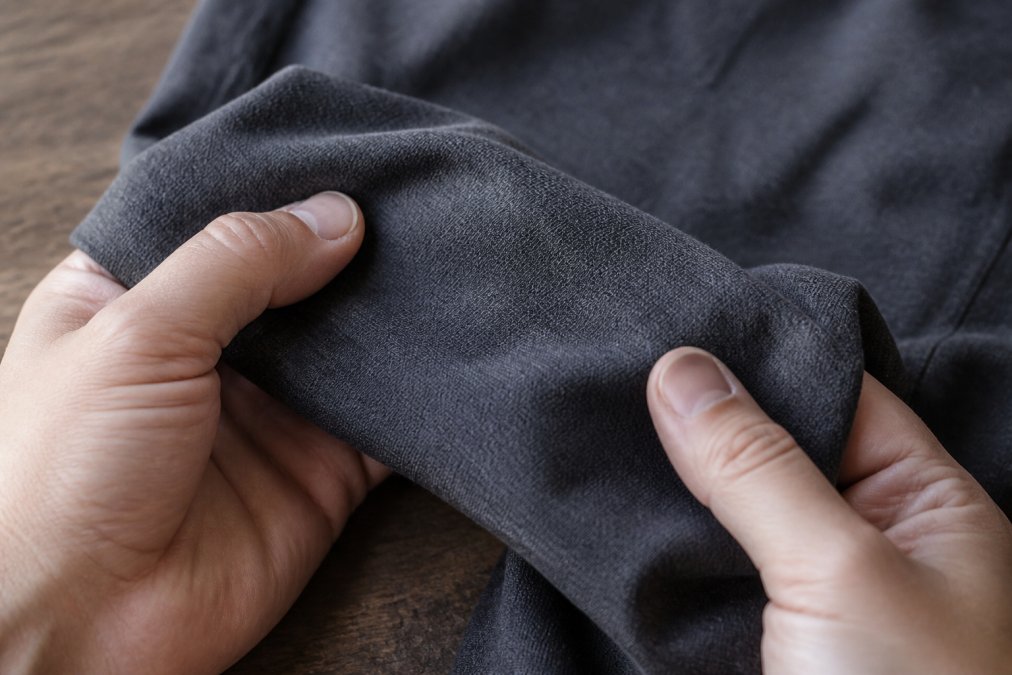
The foundation of any quality graphic tee is the blank apparel before design gets applied. Premium blanks use higher-quality cotton processed more carefully, while cheap blanks often use recycled fibers, lower-grade cotton, or polyester blends to cut costs. Better cotton has longer staple fibers, which means stronger, more durable yarn that resists pilling, maintains shape, and holds color better (peer-reviewed research). This directly impacts how well the shirt performs over years of wear.
Material composition also influences comfort and breathability. Premium tees use cotton that's been properly processed to remove impurities and soften fibers. Cheaper alternatives skip these steps, resulting in stiffer shirts that may never fully soften.
Ring-Spun Cotton vs. Carded Cotton
Ring-spun and carded cotton represent two different manufacturing approaches with real quality differences.
Carded cotton is the faster, cheaper method where fibers are combed and twisted into yarn. It's efficient but produces rougher yarn with loose fibers and inconsistencies, making it prone to breaking and pilling.
Ring-spun cotton adds an extra twisting step, creating stronger, smoother yarn that resists pilling better, holds dyes more evenly, and produces a softer final garment. The cost difference is meaningful because ring-spun production requires more time and specialized equipment. For a brand like Tim Cosgriff Art, using ring-spun cotton is essential to creating vintage-inspired designs that feel authentic and comfortable enough to wear repeatedly.
GSM and Fabric Weight
GSM (grams per square meter) measures fabric density and durability. Lightweight shirts run 140-160 GSM and are cheap but thin and prone to stretching. Mid-weight shirts are 160-180 GSM, offering reasonable balance. Heavyweight shirts exceed 180 GSM and provide superior durability.
A 200+ GSM shirt requires significantly more cotton per garment than a 150 GSM shirt, adding several dollars to manufacturing cost (peer-reviewed research). But the durability payoff is real: heavyweight fabric resists shrinkage, holds shape through washing, and provides a better canvas for printing that resists cracking. Premium graphic tees typically use 185-200 GSM as a baseline.
Screen Printing vs Digital Printing Cost
The printing method dramatically affects both price and design longevity.
Screen printing uses a separate screen for each color. The shirt is placed under the screen and ink is pushed through the mesh onto fabric. It's labor-intensive with setup time, but each additional shirt costs relatively little to print. Digital printing works like an inkjet printer, printing directly onto the shirt with minimal setup but consistent per-unit costs.
For premium brands, screen printing typically wins on durability and visual quality. Screen-printed designs sit on top of the fabric with vibrant, opaque colors that resist fading through heat curing, lasting hundreds of washes (peer-reviewed research). Digital printing produces sharper detail but sits in the fibers rather than on top, resulting in slightly less vibrant colors and shorter longevity.
Durability and Print Longevity
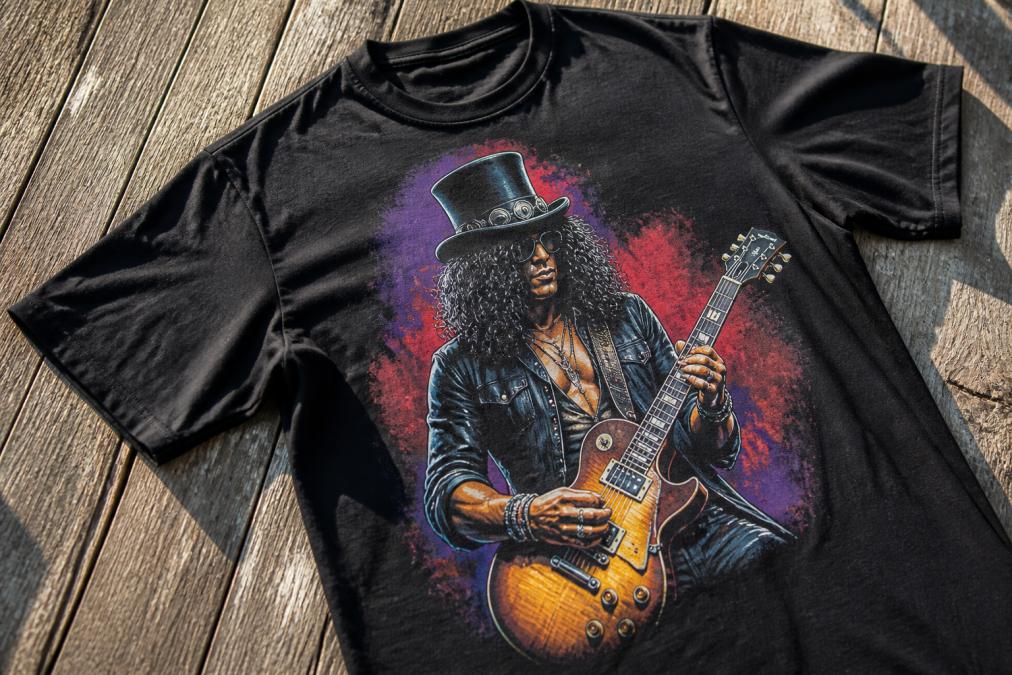
Print durability is crucial to the cost-per-wear calculation. A shirt that costs more but keeps its design sharp for 100+ washes is better value than a cheaper shirt where the print fades after 20 washes.
Screen printing's durability advantage comes from how ink adheres to fabric. Ink molecules bond with cotton fibers during heat-cure, becoming part of the garment rather than sitting on the surface. This is why screen-printed vintage band tees from decades ago still have vibrant prints.
Print longevity also depends on ink quality. Premium inks resist fading from sunlight, chlorine, and repeated washing. Cheap inks fade faster and crack or peel with normal wear. For a graphic tee featuring iconic rock musicians, you want the design to remain sharp and vibrant. Premium brands invest in better inks and printing techniques specifically to achieve this.
Artist Licensing and Design Royalties
When a brand produces a graphic tee featuring a specific musician or artist, they typically pay licensing fees to the artist, their estate, or rights holder. Legitimate brands must secure these rights, which involves negotiating with rights holders and paying fees per garment or production run.
The cost structure varies: some licenses charge flat fees per design per year, others charge per unit sold, or both. For small brands producing limited runs, these costs represent a meaningful portion of wholesale price.
Premium brands like Tim Cosgriff Art differentiate themselves through legitimate licensing, ensuring artists or their estates are compensated. This is the only way to guarantee designs are authentic and legally produced. Cheap knockoff graphic tees skip this step entirely. When you buy a premium graphic tee with proper licensing, you're supporting the artist or their legacy.
Manufacturing, Supply Chain, and Retail Overhead
The journey from raw cotton to finished shirt involves multiple steps, each with associated costs. Raw cotton is grown, harvested, and processed into fibers, spun into yarn, woven into fabric, dyed, finished, cut, and sewn. Only then does the shirt reach a printing facility, get packaged, and ship to retailers or customers.
Premium manufacturers invest in better equipment, stricter quality control, and careful handling. Ethical manufacturing practices, paying workers fairly, maintaining safe conditions, limiting working hours, cost more than exploitative alternatives. Retail overhead includes website hosting, payment processing, customer service, shipping, returns, and marketing. For brands selling through traditional retail, markups are steeper to cover rent, staff, inventory management, and shrinkage.
Is a Graphic Tee Worth It for a Date Night
Premium graphic tees work for casual date settings because they communicate something about your taste and aesthetic. A vintage-inspired design from Tim Cosgriff Art signals thoughtful style choices.
The key is fit and condition. A premium shirt that fits well and has a sharp, vibrant design makes a better impression than an expensive shirt that doesn't fit. A well-fitting shirt will look better on a date than an ill-fitting premium option from anywhere else.
Context matters too. A casual coffee date or brewery visit works perfectly for a quality graphic tee. A formal dinner doesn't. The sweet spot is casual-to-smart-casual settings where you want to look put-together without being overdressed.
Wear and care are practical considerations. A premium shirt washed dozens of times without proper care will look worse than a newer, cheaper shirt. Wash in cold water, air dry, and avoid high heat. A well-maintained premium shirt will look sharp every time you wear it.
Cost-Per-Wear: The Real Value Proposition
Cost-per-wear divides total price by the number of wears before the shirt becomes unwearable. A cheap $20 graphic tee that fades after 30 wears and becomes unwearable after 50 costs 40 cents per wear. A premium $60 shirt that stays vibrant for 200+ wears costs 30 cents per wear, cheaper per wear despite higher upfront cost.
Quality affects how often you actually wear the shirt. A premium shirt that fits well, feels comfortable, and maintains appearance becomes something you reach for repeatedly. A cheap shirt that shrinks unpredictably, develops pilling, or fades quickly becomes something you avoid.
This is why Tim Cosgriff Art focuses on premium construction. A vintage-inspired rock musician graphic tee is something you want to wear repeatedly because it represents your taste and passion. If the shirt falls apart after a few months, that defeats the entire purpose. The premium pricing reflects the reality that you'll wear these shirts for years, not months.
The cost-per-wear calculation also accounts for emotional value. If you genuinely love the design and quality, you'll wear it more often, take better care of it, and get more enjoyment from each wear.
Premium graphic tees cost more because every component, from cotton selection to printing method to design licensing, reflects a commitment to quality and longevity. When evaluating whether a graphic tee is worth the price, focus on durability, fit, and how often you'll actually wear it. Tim Cosgriff Art's collection of vintage-inspired rock musician apparel is designed to be worn repeatedly and cared for over years. That's what the premium pricing reflects: not just a shirt, but a piece of music history you can wear.
Frequently Asked Questions
Why are premium graphic tees so expensive compared to basic band tees?
Premium graphic tees cost more because of superior fabric quality (ring-spun cotton with higher GSM weight), advanced printing methods like screen printing that ensure durability, artist licensing fees, and ethical manufacturing practices. Basic tees use lower-grade materials, cheaper printing techniques, and skip design royalties. The difference shows in how long the shirt lasts and how the print holds up after washing.
What makes a t-shirt premium versus a regular one?
Premium t-shirts use ring-spun cotton (softer, stronger fibers) instead of carded cotton, have higher GSM (grams per square meter) for better weight and durability, feature seam construction that resists unraveling, and use printing methods that maintain color fastness after dozens of washes. They also source ethical manufacturing and pay artist royalties for original designs. Regular tees cut corners on all these factors.
Does the printing method affect the price of a graphic tee?
Yes, significantly. Screen printing costs more upfront but creates durable, vibrant prints that last 100+ washes without fading. Direct-to-garment (DTG) printing is faster for small runs but can fade sooner. Screen printing's higher initial cost is offset by superior longevity, making it the standard for premium graphic tees. Cheaper brands often use DTG or lower-quality printing to reduce costs.
Is a graphic tee worth it for a date night or special occasion?
A premium graphic tee can absolutely work for a date night if it fits your style and the venue. Vintage-inspired rock graphics appeal to classic aesthetics and show personality. The key is pairing it with appropriate bottoms and ensuring the fit is flattering. Premium tees drape better and look more polished due to superior fabric, making them more versatile than cheap alternatives for occasions beyond casual wear.
This article was written using GrandRanker