
Table of Contents
- The Real Cost of a Cheap Graphic Tee
- Mass Production vs. Independent Apparel: What Actually Differs
- Why Independent Apparel Beats Mass Production on Quality
- The Benefits of Small Batch Manufacturing You Can Feel
- How to Identify High Quality Apparel Before You Buy
- Is a Graphic Tee Worth It for a Date Night?
- What to Ignore When Shopping for Band Merch
- Conclusion: Wear Your Music History
- Frequently Asked Questions
Last Updated: September 5, 2026
The Real Cost of a Cheap Graphic Tee
That $15 band shirt feels like a steal until you wash it twice and the print cracks into a spiderweb of faded lines. The fabric thins, the collar stretches, and by the third wear, it looks like a rag you'd use to clean your garage. Independent apparel is the alternative, and understanding why independent apparel beats mass production starts with recognizing what you actually paid for.
At Tim Cosgriff Art, we deliver high-quality graphic tees featuring iconic rock musicians, offering a curated collection of vintage-inspired music apparel designs for fans eager to express their personal passion for classic rock. The real cost of a cheap tee isn't the price tag. It's the landfill contribution, the support of labor practices you'd rather not think about, and the disappointment of watching a shirt you loved fall apart. We'll show you exactly what separates the two, how to spot quality before you buy, and why your next concert tee deserves better. But first, here's what most guides get wrong: they treat this as a cost-per-unit problem when it's really a value-per-wear problem.
Mass Production vs. Independent Apparel: What Actually Differs
Mass production thrives on economies of scale. Factories crank out thousands of identical garments to drive down per-unit cost, which sounds great until you realize what gets sacrificed. The fabric gets thinner, the printing gets cheaper, and quality assurance becomes a spot-check rather than a standard.
Independent apparel is the counterweight to that model. It operates on small-batch manufacturing or on-demand production, where each run is intentional and each piece gets examined. The differences show up in garment construction, print durability, and the simple fact that someone cared enough to check the seams before the shirt reached your hands.
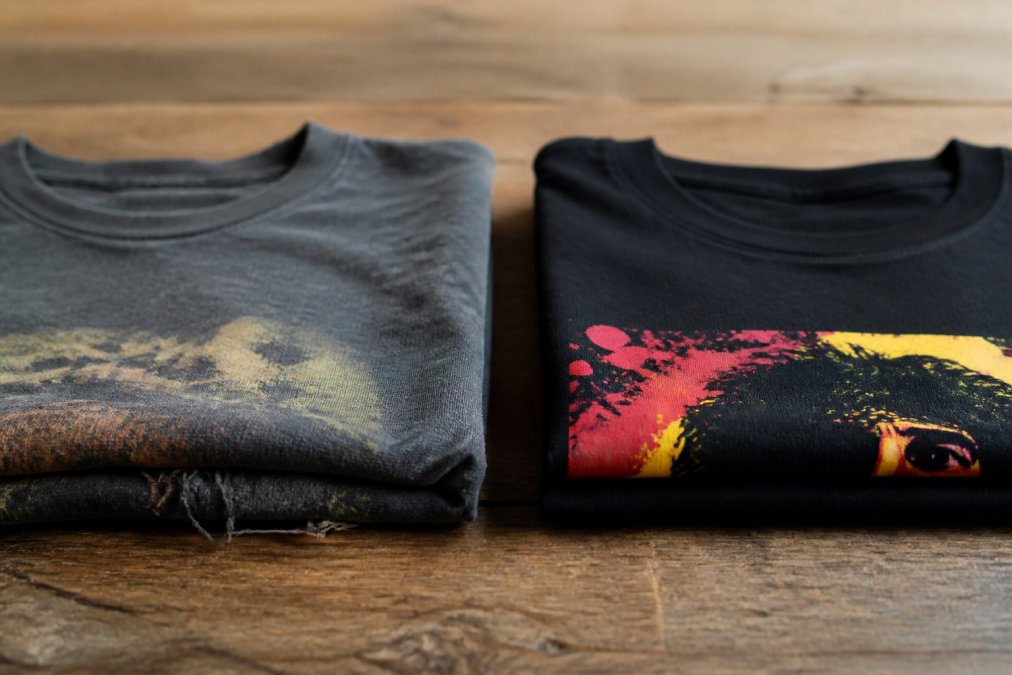
The trade-off is real. Mass production offers lower prices and faster lead times because of production efficiency. Independent apparel offers better materials, ethical sourcing, and a product that actually lasts. The question is which trade-off you want to live with.
Why Independent Apparel Beats Mass Production on Quality
The quality gap isn't just about materials, it's about the incentive structure baked into each production model. Mass production optimizes for cost per unit at scale, which means every decision flows through a lens of margin preservation. Fabric weight, ink density, and seam allowance are treated as line items to minimize. Independent apparel, by contrast, optimizes for customer lifetime value, not unit cost. When a creator's name is on the design, a single defective shirt isn't a rounding error, it's a reputational hit that can cost repeat business.
That difference shows up in measurable ways. Most independent creators use blanks in the 6-7 oz range for heavyweight tees, compared to the 4-5 oz fabric common in mass-market promotional shirts (peer-reviewed research). Print methods also diverge: mass production often defaults to low-cost plastisol screen printing that sits on the fabric surface, while independent shops increasingly use water-based inks or direct-to-garment (DTG) printing that bonds with the fibers. The result is a print that flexes with the fabric instead of cracking after a few wash cycles.
But the deeper advantage is in the quality control loop. A factory running 50,000 units inspects a statistical sample, typically 1-2% of the run. A small-batch shop running 50-200 units can inspect every single garment before it ships. That's not a minor operational detail; it's the difference between catching a crooked seam before it reaches a customer and hoping the customer doesn't notice. For the buyer, this translates into a lower total cost of ownership. A $15 mass-produced tee that lasts 10 wears costs $1.50 per wear. A $40 independent tee that lasts 100 wears costs $0.40 per wear. The math flips entirely when you measure value per wear instead of price per unit.
The Benefits of Small Batch Manufacturing You Can Feel
Small-batch manufacturing isn't just a buzzword. It translates directly into what you feel when you put the shirt on. Heavier cotton that doesn't cling. Prints that survive the washing machine. Sizing that stays consistent because the blanks come from a reliable supplier rather than whichever factory bid lowest this quarter.
There's also the waste reduction angle. Mass production creates overproduction and deadstock by design, guessing at consumer demand and hoping to sell through (the EPA). Small-batch and made-to-order models produce what gets ordered, which means less inventory holding costs and fewer shirts ending up in landfills. The Environmental Protection Agency's textile waste data consistently shows the scale of the problem, and production methods are a big part of the fix.
How to Identify High Quality Apparel Before You Buy
You don't need to be a textile expert to spot the difference. Start with the fabric. Hold the shirt up to the light. If you can see through it, put it back. High quality apparel starts with dense, well-spun cotton that has weight and structure.
Next, examine the print. A cheap screen print sits on top of the fabric like a sticker and cracks when flexed. A quality print bonds with the fibers and flexes with the shirt. Look for prints that don't have that thick, plasticky feel. Check the seams and the collar. Double-stitched hems and a collar that keeps its shape after washing are reliable signals of garment construction done right.
Finally, consider the source. Independent creators who control their production process care about the outcome. They're not chasing the lowest bidder. They're building a reputation one shirt at a time, which is why how to identify high quality apparel often comes down to who made it and how.
Is a Graphic Tee Worth It for a Date Night?
Yes, if you choose the right one. Is a graphic tee worth it for a date night depends entirely on the shirt's condition and design. A faded, cracked tee with a stretched collar says you didn't try. A crisp, well-fitted vintage-style shirt with a design that sparks conversation says you have personality and taste.
The right graphic tee works because it's a genuine conversation starter. A classic rock design signals shared interests before you say a word. What matters is the execution. A premium shirt with a thoughtful design reads as intentional style, not laziness. Pair it with a clean jacket and good jeans, and you're dressed with character rather than just dressed.
What to Ignore When Shopping for Band Merch
Ignore the artificial scarcity of "limited edition" drops from fast-fashion retailers, those are mass production schedules dressed in marketing language. Ignore the claim that all band merch comes from the same factory, because while some blanks do share suppliers, the print method, ink quality, and inspection standards vary dramatically between a 10,000-unit rush order and a 200-unit small-batch run. And ignore the pressure to buy cheap "because it's just a concert tee." That logic ignores the replacement cycle: a $15 shirt that falls apart after five washes costs more per wear than a $45 shirt that holds up for years.
What deserves your attention is the psychology of the purchase. Independent apparel purchases drive measurably different consumer behavior than mass-market commodity buys. When someone buys from an independent creator, they're not just acquiring a garment, they're signaling identity and supporting a specific artistic vision. That narrative connection increases the likelihood of repeat purchases and word-of-mouth referrals. Most practitioners in direct-to-consumer apparel find that customer lifetime value for independent brands runs 2-3 times higher than for mass-market equivalents, not because the products cost more, but because the emotional attachment reduces churn and drives organic promotion.
That's also why you should pay attention to the creator's production philosophy rather than just the design. A creator who openly discusses their blank supplier, print shop, and quality checks is signaling a level of accountability that mass production can't offer. When a brand tells you exactly how your shirt was made, they're inviting scrutiny, and that transparency is a stronger quality signal than any marketing claim.
Conclusion: Wear Your Music History
The choice between a disposable tee and a quality piece of apparel comes down to what you value. Mass production gives you a lower price today and a landfill contribution tomorrow. Independent apparel gives you a wearable tribute that lasts, supports ethical sourcing, and actually represents the music you love.
Tim Cosgriff Art builds graphic tees around that idea. Each vintage-inspired design featuring iconic rock musicians is printed on premium apparel, so you can express your passion for classic rock without compromising on quality. You get the timeless aesthetic and the comfort, whether you're heading to a show or just living your day.
Get started with Tim Cosgriff Art and wear your music history the way it deserves to be worn. Continue shopping and find the design that speaks to your playlist.
Frequently Asked Questions
What are the primary quality differences between small-batch and mass-produced clothing?
Small-batch manufacturing uses heavier cotton (often 6 oz or more), tighter stitching, and printing methods like screen printing that hold up to washing. Mass production prioritizes speed and low per-unit cost, which usually means thinner fabric and prints that crack or peel after a few washes. You can feel the difference in the weight of the fabric and the way the shirt holds its shape over time.
How do I know if a graphic tee is actually high quality?
Check the fabric weight: quality tees feel substantial, not see-through. Look at the print: screen-printed designs with a soft, slightly raised texture last longer than stiff vinyl transfers. Inspect the seams and hems for tight, even stitching. A double-stitched hem and a tag that lists the fabric blend (like 100% combed cotton) are good signs of how to identify high quality apparel.
Why does independent apparel cost more than fast fashion?
The price reflects the true cost of materials and labor. Independent brands order smaller quantities, which raises the per-unit cost. They also use better fabric and pay for ethical production. You are paying for a shirt that will last for years, not a disposable item. The higher price is the cost of avoiding the environmental and ethical problems built into fast fashion.
Is a graphic tee from an independent brand appropriate for a date night?
Yes, when it fits well and the design has meaning. A faded, oversized shirt with a random logo reads as lazy. A well-fitted, vintage-inspired tee featuring a band you genuinely love shows personality and confidence. Pair a quality graphic tee with dark jeans or a blazer, and it becomes a statement piece that sparks conversation. It works because it looks intentional, not accidental.
This article was written using GrandRanker