
Table of Contents
- Junk Food Clothing vs Independent Apparel: Key Differences at a Glance
- Understanding Vintage-Inspired Band Tees and Their Quality Standards
- Mass-Market Reproduction vs Authentic Vintage Aesthetics
- Independent Rock Music Apparel: What Sets It Apart
- Pricing, Value, and What You're Actually Paying For
- Sizing, Fit, and Care: Practical Considerations
- How to Style Vintage Rock Tees for Any Age or Occasion
- Making Your Choice: Independent vs Mass-Market
Last Updated: August 26, 2026
Junk Food Clothing vs Independent Apparel: Key Differences at a Glance
When shopping for vintage-inspired band tees, the choice between mass-market brands and independent designers matters significantly. Junk food clothing vs independent apparel represents a fundamental split in how graphic tees are produced, priced, and positioned. Mass-market options prioritize volume and accessibility, while independent creators focus on curation, quality control, and direct customer relationships.
The difference extends beyond price to fabric weight, printing techniques, supply chain transparency, and whether apparel is treated as a commodity or wearable art. At Tim Cosgriff Art, we've curated a collection of vintage-inspired music apparel that sits squarely in the independent camp, celebrating iconic rock musicians with the quality and authenticity serious fans deserve.
| Aspect | Mass-Market (Junk Food) | Independent Apparel |
|---|---|---|
| Production Scale | High-volume, standardized | Small-batch, curated |
| Fabric Quality | Budget-friendly, variable | Premium, consistent |
| Supply Chain | Opaque, outsourced | Transparent, often direct |
| Design Curation | Trend-driven | Artist-focused, niche |
| Pricing | Lower entry point | Higher, reflects quality |
| Sizing Consistency | Often inconsistent | More reliable |
| Vintage Aesthetic | Manufactured look | Authentic reproduction |
Understanding Vintage-Inspired Band Tees and Their Quality Standards
Vintage-inspired band tees are statements of fandom and personal identity. Quality standards separating premium options from cheap knockoffs come down to three measurable factors: fabric composition, printing durability, and overall construction.
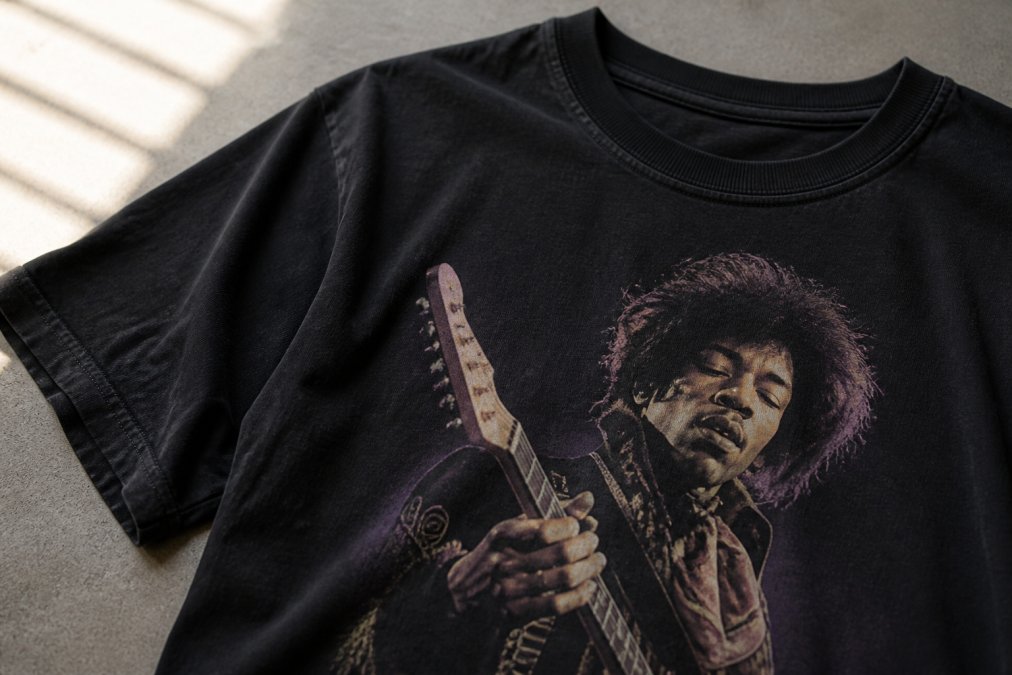
A genuine vintage-inspired band tee starts with the blank garment itself. Premium graphic tees use heavier cotton blends (around 180-200 GSM) that feel substantial and maintain shape after repeated washing (the FTC). Budget options use lighter fabric (140-160 GSM) that becomes thin and translucent over time.
Fabric Weight and Durability
Fabric weight directly correlates with longevity. Heavier cotton holds its shape better and resists pilling, fading, and stress-point deterioration. Independent designers invest in higher fabric weights because their reputation depends on customer satisfaction. Mass-market brands optimize for cost, resulting in thinner fabric that wears out faster.
Quality manufacturers blend cotton with a small percentage of polyester (typically 5-10%) to reduce shrinkage while maintaining breathability (peer-reviewed research). Mass-market options sometimes use lower-quality blends or unpre-shrunk cotton, leading to sizing inconsistencies.
Screen Printing vs Vinyl Graphics
Screen printing, the traditional method used by independent designers, pushes ink through a mesh screen directly onto fabric, bonding with fibers rather than sitting on top. This is why vintage band tees from the 1970s and 1980s retain visible graphics decades later.
Vinyl graphics, common on mass-market options, involve heat-pressing cut designs onto fabric. Vinyl doesn't bond with fibers the way screen ink does. After 20-30 washes, vinyl begins cracking and peeling. Independent producers use screen printing because it delivers the authentic vintage aesthetic customers expect and ensures longevity.
Mass-Market Reproduction vs Authentic Vintage Aesthetics
"Vintage-inspired" means two very different things depending on who's selling it.
Mass-market brands manufacture the appearance of vintage through chemical distressing, faded ink, and design templates mimicking 1970s and 1980s band merchandise. The result looks old but is deliberately aged, a costume version rather than authentic reproduction.
Authentic vintage aesthetics respect how band merchandise actually looked when new. An original 1978 Led Zeppelin tee had specific ink saturation, particular fabric weight, and printing imperfections from era-appropriate screen-printing technology. Independent designers replicate these authentic characteristics rather than faking the aging process.
The difference is noticeable to anyone who's handled real vintage pieces. Authentic reproductions feel substantial and age naturally. Mass-market distressed tees feel manufactured and don't improve with age the way genuine vintage pieces do.
Independent Rock Music Apparel: What Sets It Apart
Independent rock music apparel operates on a different business model, focusing on specific niches: classic rock enthusiasts, concert-goers, collectors, and fans wanting something distinctive.
This approach creates several advantages. Independent designers have direct customer relationships and understand what rock fans actually want because they're often fans themselves. They respond to feedback and build community around their work. Second, independent apparel reflects genuine artistic vision rather than trend forecasting, creating designs with staying power that feel timeless.
Supply Chain Transparency and Ethical Production
Independent apparel has a concrete advantage over mass-market alternatives in supply chain transparency. When you buy from an independent creator like Tim Cosgriff Art, you can often trace where your tee was made and under what conditions.
Many independent brands work with small production facilities maintaining higher labor standards and transparent operations. Mass-market brands typically outsource to the lowest-cost manufacturer available, often in regions with minimal labor oversight. Independent designers recognize that a vintage-inspired band tee celebrating a legendary musician feels hollow if made under exploitative conditions, so they invest in ethical production as part of their brand identity.
Small-Batch Production and Design Curation
Small-batch production creates scarcity, which increases value. Limited-quantity designs remain special and exclusive. Independent designers curate collections carefully, producing runs of 100-500 units before moving to new artwork, keeping catalogs fresh and pieces distinctive. This also means independent apparel has better resale value because scarcity creates secondary market demand.
Pricing, Value, and What You're Actually Paying For
Mass-market brands operate on high-volume, low-margin models, producing thousands of units at lower price points and relying on volume for profit. Independent apparel uses different economics: smaller production runs mean higher per-unit manufacturing costs, design work is more labor-intensive, and quality control is stricter.
When comparing prices, you're comparing a mass-produced item designed for maximum accessibility against a curated piece designed for durability and artistic value. The price difference reflects real differences in materials, production methods, and design thoughtfulness.
When you choose independent apparel, you're paying for better fabric composition that lasts longer, superior printing techniques that age gracefully, design curation from people who understand the music and fan community, verifiable ethical production standards, and resale value maintained by scarcity and quality.
Sizing, Fit, and Care: Practical Considerations
Mass-market brands source from multiple factories to keep costs down, resulting in sizing inconsistency. Independent apparel producers typically work with one or two trusted manufacturers, maintaining consistent relationships that ensure reliable sizing. When you buy a size from an independent brand, you know what you're getting because they've tested and verified the fit.
Quality independent apparel is designed to withstand regular washing with minimal care instructions. A premium graphic tee can go in the washing machine repeatedly and maintain its appearance for years, making it more economical despite higher initial cost.
How to Style Vintage Rock Tees for Any Age or Occasion
A well-made vintage-inspired band tee is genuinely versatile because it's built on authentic design principles that transcend trends.
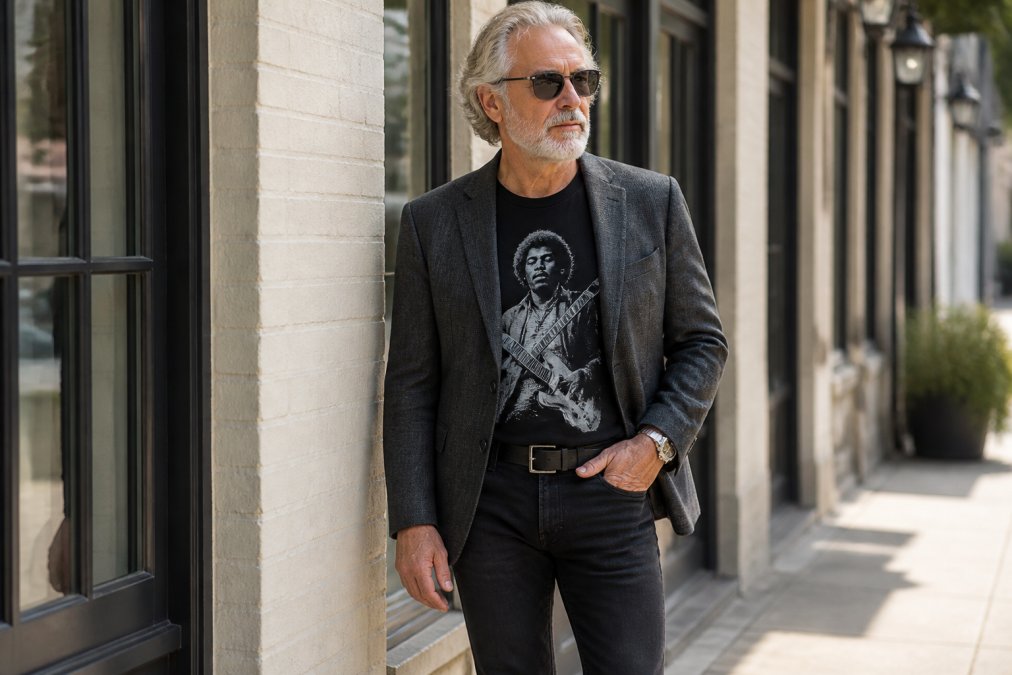
The key is understanding that vintage rock aesthetic is fundamentally about authenticity. When you wear a band tee as an actual fan, it reads as authentic regardless of age. For older fans, pair it with well-fitting jeans, a structured jacket, and quality shoes. For younger wearers, layer it under an open shirt or tuck it into higher-waisted pants. The graphic works across occasions when the rest of your outfit is intentional.
This versatility is why independent apparel holds value. Quality vintage-inspired pieces integrate into multiple styling contexts, meaning you actually wear them more often.
Making Your Choice: Independent vs Mass-Market
Choose mass-market if your priority is low entry cost and you're comfortable with shorter garment lifespan. Choose independent apparel if you value quality, durability, ethical production, and design authenticity. Independent apparel holds value better because it's made to last.
Tim Cosgriff Art represents the independent approach: curated vintage-inspired music apparel celebrating iconic rock musicians with quality and authenticity serious fans deserve. Rather than competing on price, we compete on fabric quality, printing durability, design curation, and the philosophy that your band tee should be as genuine as your love for the music.
The market for vintage-inspired rock music apparel has fragmented into two distinct ecosystems. Mass-market brands deliver affordability and accessibility. Independent creators deliver quality, authenticity, and artistic vision. If you're serious about building a wardrobe of band merchandise that reflects your genuine fandom and actually lasts, Tim Cosgriff Art's curated collection of vintage-inspired music apparel delivers the quality and design thoughtfulness that sets independent work apart. Explore ethical apparel production standards to understand what responsible manufacturing looks like, and you'll recognize why independent producers invest in these practices.
Frequently Asked Questions
What makes independent rock music apparel different from mass-market options like Junk Food Clothing?
Independent rock music apparel typically emphasizes small-batch production, supply chain transparency, and curated design selection. Mass-market brands prioritize volume and accessibility through standardized sizing and wider distribution. Independent creators often highlight ethical production practices and unique artwork that larger retailers don't carry, though availability may be more limited. The key difference lies in production scale: independent brands control their entire process, while mass-market options rely on outsourced manufacturing to reach broader audiences.
How do I know if a vintage-inspired band tee is actually high quality?
Check the fabric weight (heavier cotton typically lasts longer), examine screen printing or vinyl graphics for clean edges and color saturation, and look at seam construction and collar reinforcement. High-quality apparel uses preshrunk fabric to minimize shrinkage, features double-stitched seams, and has consistent color throughout the garment. Read customer reviews mentioning durability after multiple washes, and compare the garment's feel in photos or product descriptions. Independent brands often provide detailed production information; mass-market retailers may offer less transparency about manufacturing standards.
Are vintage-inspired tees better than authentic vintage band merchandise?
Vintage-inspired tees offer consistency, predictable sizing, and modern comfort with a retro aesthetic. Authentic vintage merchandise carries historical value and unique character but may have sizing inconsistencies, fabric deterioration, and unpredictable condition. For everyday wear, vintage-inspired options provide reliability; for collectors, authentic pieces hold cultural significance. The choice depends on whether you prioritize wearability and durability (vintage-inspired) or authenticity and rarity (authentic vintage). Many fans appreciate both for different reasons.
What should I look for when comparing sizing between brands?
Check whether a brand provides detailed measurements in inches for chest width, sleeve length, and garment length rather than just S, M, L labels. Independent brands often publish accurate sizing charts and customer feedback about fit; mass-market retailers may have inconsistent sizing across product lines. Read reviews specifically mentioning how true-to-size the fit runs and whether the brand shrinks after washing. Request size comparisons if you've worn similar products, and verify return policies in case the fit doesn't match expectations when the shirt arrives.
This article was written using GrandRanker